
Lake Qarun
A salt lake 43 m below sea level, the last piece of ancient Lake Moeris
 5.0 on TripadvisorPrivate tour
Green fields, a salt lake, a pottery village and desert waterfalls, all within a day's drive of Cairo. A private Fayoum tour with an Egyptologist.
From, per person$956 or more travellers

Fayoum is where people from Cairo go to get out of the city for a day. The oasis is a green basin about 100 km south-west of Cairo, fed by the Bahr Yussef canal, with Lake Qarun at its low point. The tour is built around water: the lake shore and its birds, the lanes of a potters' village, and the artificial falls at Wadi El Rayan in the desert behind.
The archaeology is gentle rather than grand. In the morning you visit the Greco-Roman town of Karanis, where the granaries and two temples still stand among the mounds. If you would rather see a temple that is standing nearly complete, ask us to swap Karanis for Qasr Qarun at the west end of the lake.
The day suits families, couples and travellers who have done the big monuments and want to slow down. It does not suit someone expecting a major pharaonic site, and it is not the day for the fossil whales, which have their own tour. Some of the roads are rough and some of the stops are basic.
A salt lake 43 m below sea level, the last piece of ancient Lake Moeris
A Ptolemaic and Roman farming town with granaries and two temples
A potters' village on the shore, with a school that dates from the 1980s
Two lakes joined by waterfalls in the Western Desert
A Ptolemaic temple where the town of Dionysias once stood
Your driver leaves Cairo and heads south-west. The oasis is about 100 km from the city, and the drive depends on traffic, with the last part running through farmland. Your guide explains why this basin is green when the desert around it is not.
Karanis was founded in the third century BC under Ptolemy II and stayed occupied for roughly nine centuries. Excavators found houses, granaries, a bath complex and two limestone temples. Your guide takes you through the mounds and the small Kom Aushim museum next to the site, which opened in 1974. We confirm for your date that the site and museum are open.
The lake lies 43 m below sea level and covers about 202 km2. It is salty enough that most Nile fish have disappeared, but nearly 88 species of water bird use it, and many of them winter here, so the cooler months suit birdwatchers. Tunis village sits on its shore. A Swiss potter, Evelyne Porret, started a pottery school there in the 1980s, and today you can watch the potters at work and visit a few workshops.
Lunch is at a lakeside restaurant. Ask for the fish if it is on the menu, but tell your guide if you would rather avoid it. Salty water and pollution have cut catches in recent years.
Wadi El Rayan is in the desert south-west of the city, in a protected area. The two lakes were dug out between 1968 and 1973 to take farm drainage water, and waterfalls connect them. The park has sand dunes around the lakes.
The drive home takes you through the same farmland as the morning. You normally reach your hotel in the evening, depending on traffic.
| Group size | Price per person |
|---|---|
| Single traveller | $150 |
| 2 travellers | $120 |
| 3 to 5 travellers | $105 |
| 6 or more travellers | $95 |
In US dollars, per person, for a private trip. The price in your written quote, made for your dates and group, is the one that counts. International flights are not included.
November to March is the better time. Winter brings migrating birds to the lake and the desert at Wadi El Rayan is more comfortable. In July and August it is hot and the dunes are exposed, so drink more than you think you need.
Comfortable shoes that can handle sand and mud, a hat and sunscreen. A light layer for the evening drive home. Tunis is a working village, so cover shoulders and knees.
Wadi El Rayan is a protected area, so stay on the tracks and take your rubbish with you.
The potters in Tunis sell directly. Ask the price before you pick anything up, and your guide can point you to the workshops that make their own pieces. Breakable items travel better in a box.
Send every cancellation by email so that we can confirm it in writing. The charge is a percentage of the tour price, and anything you paid above it is refunded.
| Days before arrival | Normal dates | 18 Dec to 5 Jan |
|---|---|---|
| Until 61 days | 20% | 35% |
| 60 to 31 days | 35% | 50% |
| 30 to 15 days | 50% | 75% |
| 14 to 1 days, or no-show | 100% | 100% |
A bank and payment fee of 6 percent is deducted from every refund. Full rules: terms and policies.
Please give the age of every child at the time of travel when you ask for a quote.
Travel tips
Pickup around 8:00 gets you to the pyramids before the heat and the coach groups.
Closed shoes, a hat and sunscreen, expect sand, steps and uneven ground.
Entry inside the Great Pyramid is an optional ticket bought on the day.
Photos are free outdoors; some tombs charge for cameras. Drones are not allowed.
Traveller reviews
“The entire trip was seamlessly executed.”
“He made our trip to the pyramids and Alexandria fun and memorable.”
“My friends and I spent two weeks in Egypt and he was with us every step of the way.”
FAQ
Still unsure? Message us on WhatsApp and a real person from our team will answer.
About 100 km from Cairo to Fayoum city. Lake Qarun and the villages are a bit beyond that, and Wadi El Rayan is further into the desert.
No. Wadi El Hitan is deeper in the desert and needs a longer day. We run it as its own tour.
It is a town, not a temple complex, so it is quieter and flatter than most. If you prefer a temple that still has a roof and rooms, ask for Qasr Qarun instead.
We do not recommend swimming in Lake Qarun, which is salty and polluted from farm runoff.
Yes for most children. There is space to run at Karanis and the falls, but the trip is long by car, so bring snacks and something to read.
Make it a trip
 Classic Egypt Tours 12 days / 11 nights
Alexandria · Aswan · Cairo · Luxor
Three nights in Cairo, two in Alexandria, a night in Luxor, then 4 nights on the Nile to Aswan and a last hotel night there.
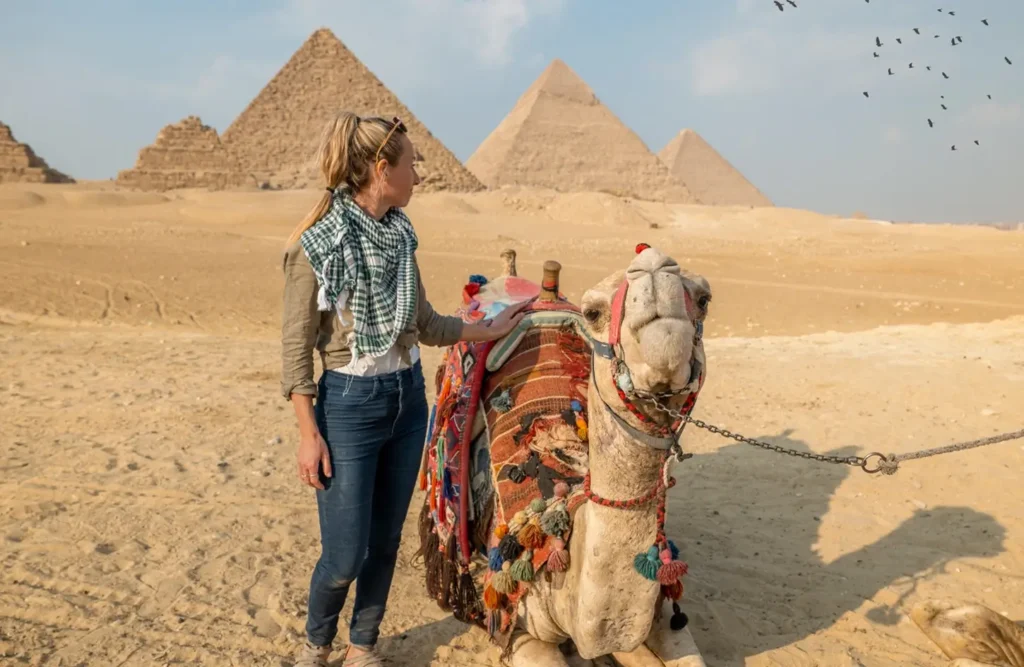 Egypt Short Breaks 3 days / 2 nights
Cairo · Giza · Memphis · Saqqara
Three days in one city: Giza on day 1, the Egyptian Museum and Old and Islamic Cairo on day 2, Saqqara and Memphis on day 3.
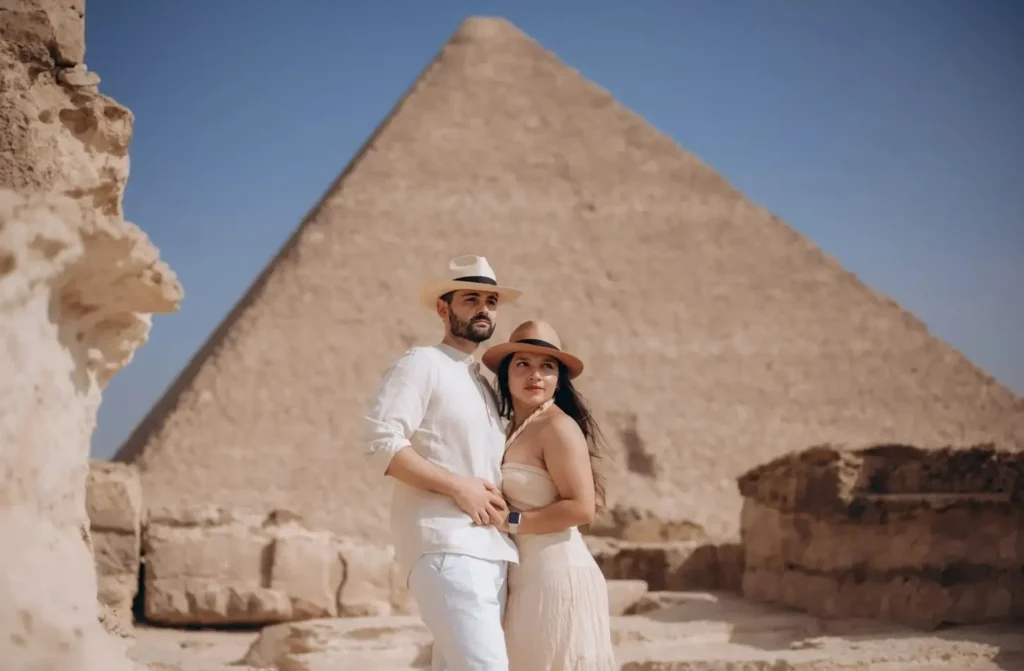 Family Egypt Tours 10 days / 9 nights
Aswan · Cairo · Hurghada · Luxor
Ten days that finish at the sea: 2 nights each in Cairo, Aswan and Luxor, then a road day to Hurghada and 3 nights on the Red Sea.
Before you go
You may also like
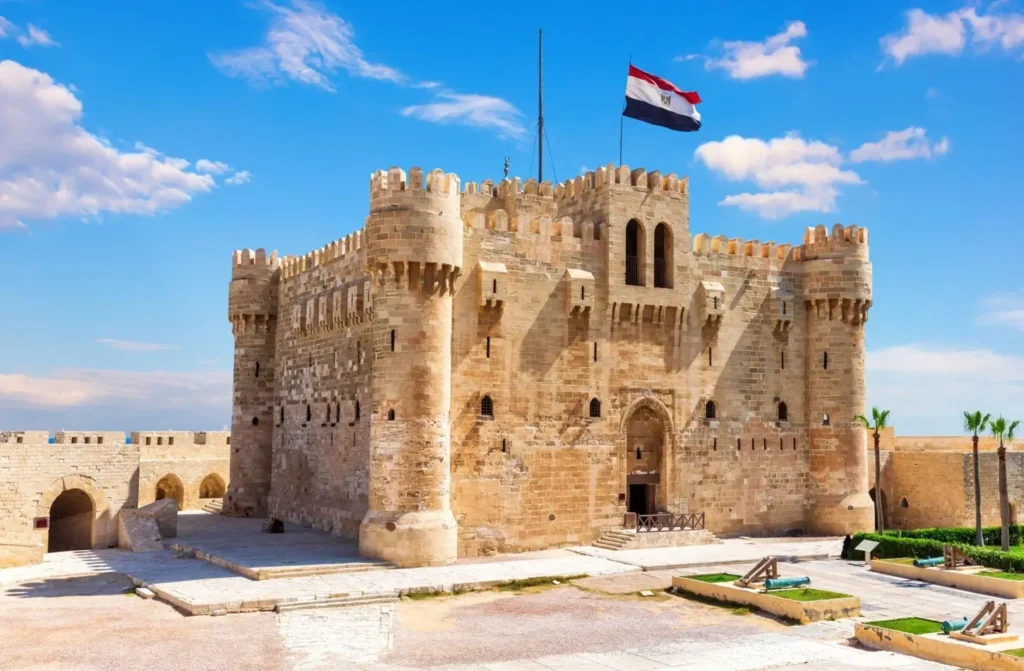 14 Hours
Alexandria, Cairo, Rosetta
12 Hours Alexandria, Cairo
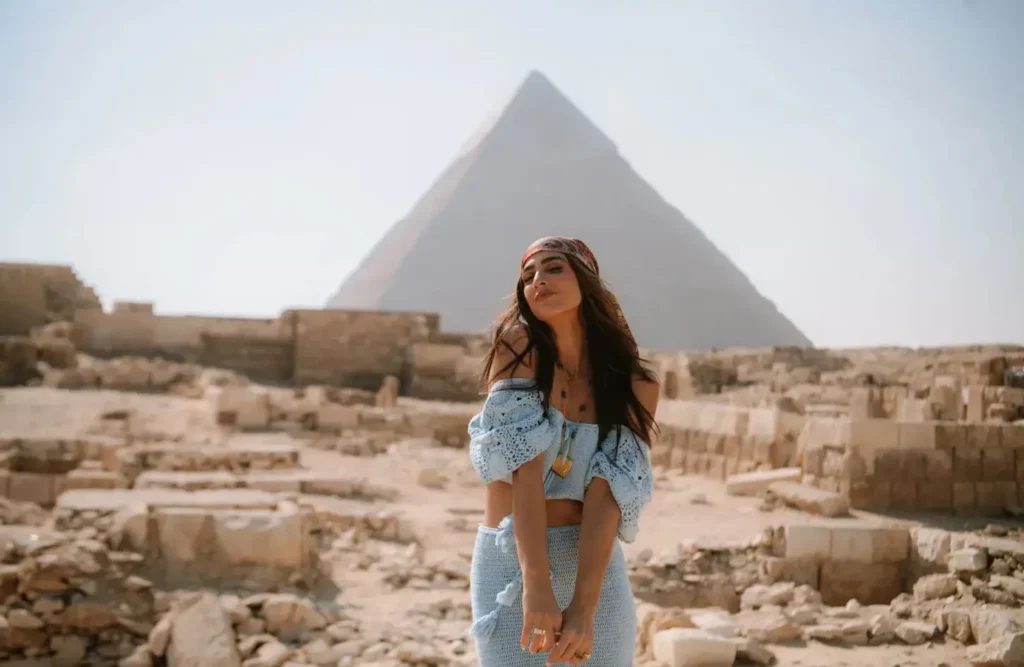 6 Hours
Cairo
Tell us your dates. We’ll send a day-by-day plan and a clear price.
Free and no obligation, from our team in Giza.